
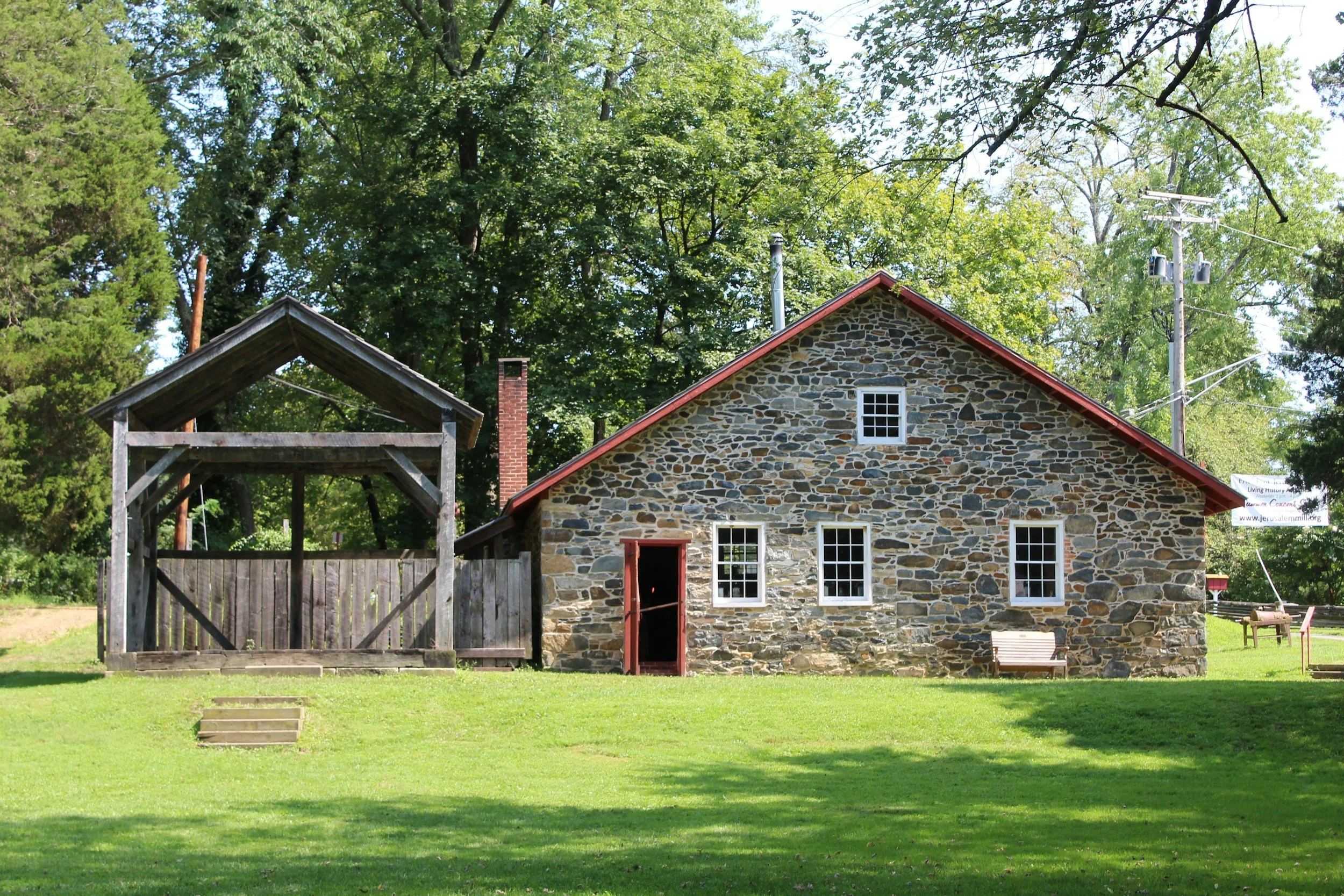
What Should You Agree Before Estate Refurbishment Work Starts?
Refurbishment work on a rural estate can look relatively straightforward at the beginning.
A cottage needs updating. A roof needs replacing. A redundant building needs bringing back into use. An occupied property needs a programme of repairs.
The work itself may be perfectly manageable.
But once contractors are appointed and work begins, even a relatively modest refurbishment can quickly involve questions around access, additional work, delays, payments, occupiers and who has authority to make decisions.
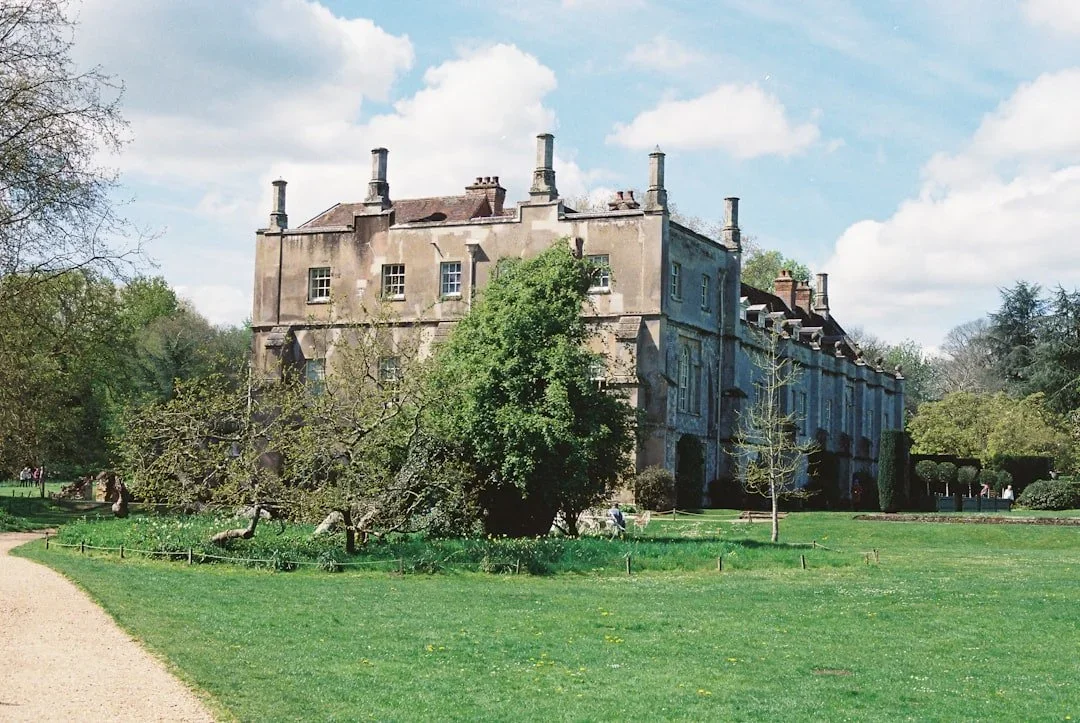
Are You Managing Your Rural Estate One Project at a Time?
Rural estates rarely stand still.
Buildings need maintaining. Energy contracts come up for renewal. Tenancies change. Woodland needs attention. New planning opportunities emerge. And ideas that have been sitting in the background for years gradually become more pressing.
Understandably, many of these matters are dealt with individually.
A roof begins to fail, so repairs are arranged. A redundant building becomes a concern, so its potential is explored. An energy bill increases, prompting a review. A planning opportunity appears, and the focus shifts towards what might be possible on that particular part of the estate.
There is nothing inherently wrong with responding to individual priorities as they arise.
But when every decision is made in isolation, it can become difficult to see how the different parts of an estate affect one another, or whether time and money are being directed towards the areas that matter most.
Sometimes the most useful next step is not another project.
It is taking the time to understand the estate as a whole.
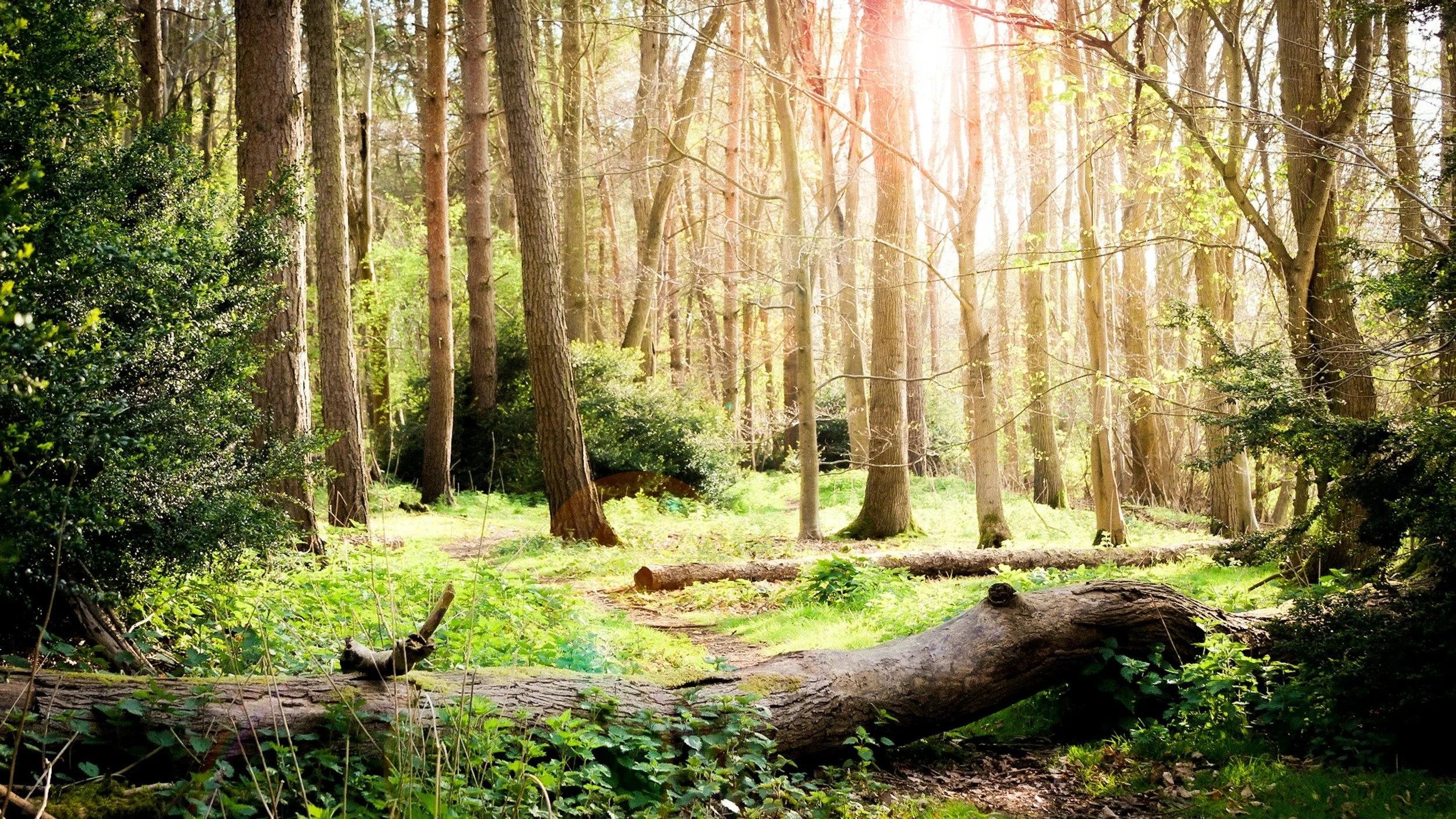
The hidden opportunity lurking in your woodland
Without regular review, trees can become overcrowded. Light may struggle to reach the woodland floor. Younger or stronger trees may have less space to develop. Opportunities to improve biodiversity, timber quality or long-term resilience can easily be missed.
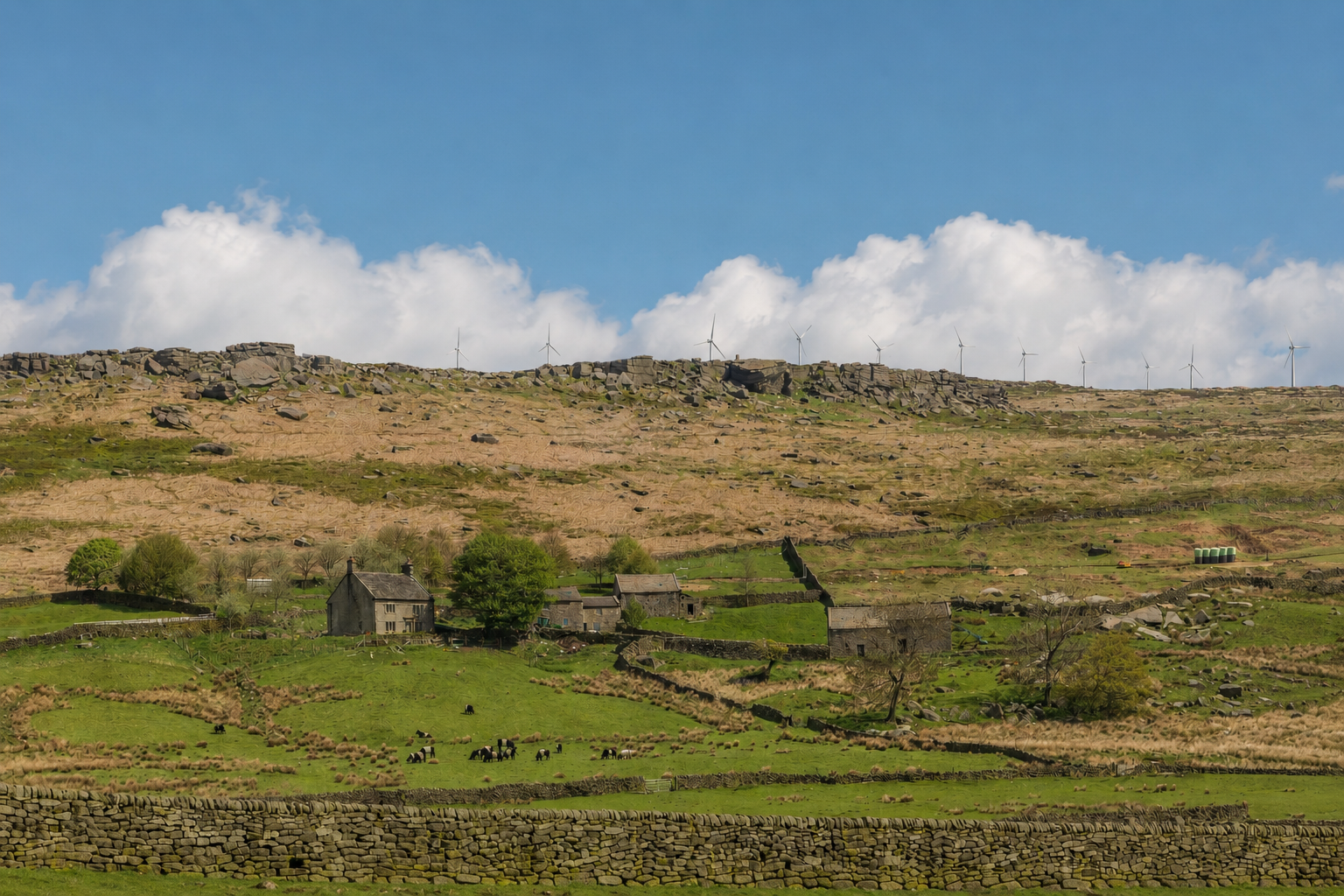
Are You Paying Too Much for Energy Without Realising?
Running a farm or rural business rarely allows for much spare time.
There are always more immediate priorities: livestock, crops, weather, maintenance, paperwork. Energy contracts, understandably, tend to sit further down the list.
But that can come at a cost.
Thinking About a Class Q Barn Conversion? Here’s How the Process Actually Works
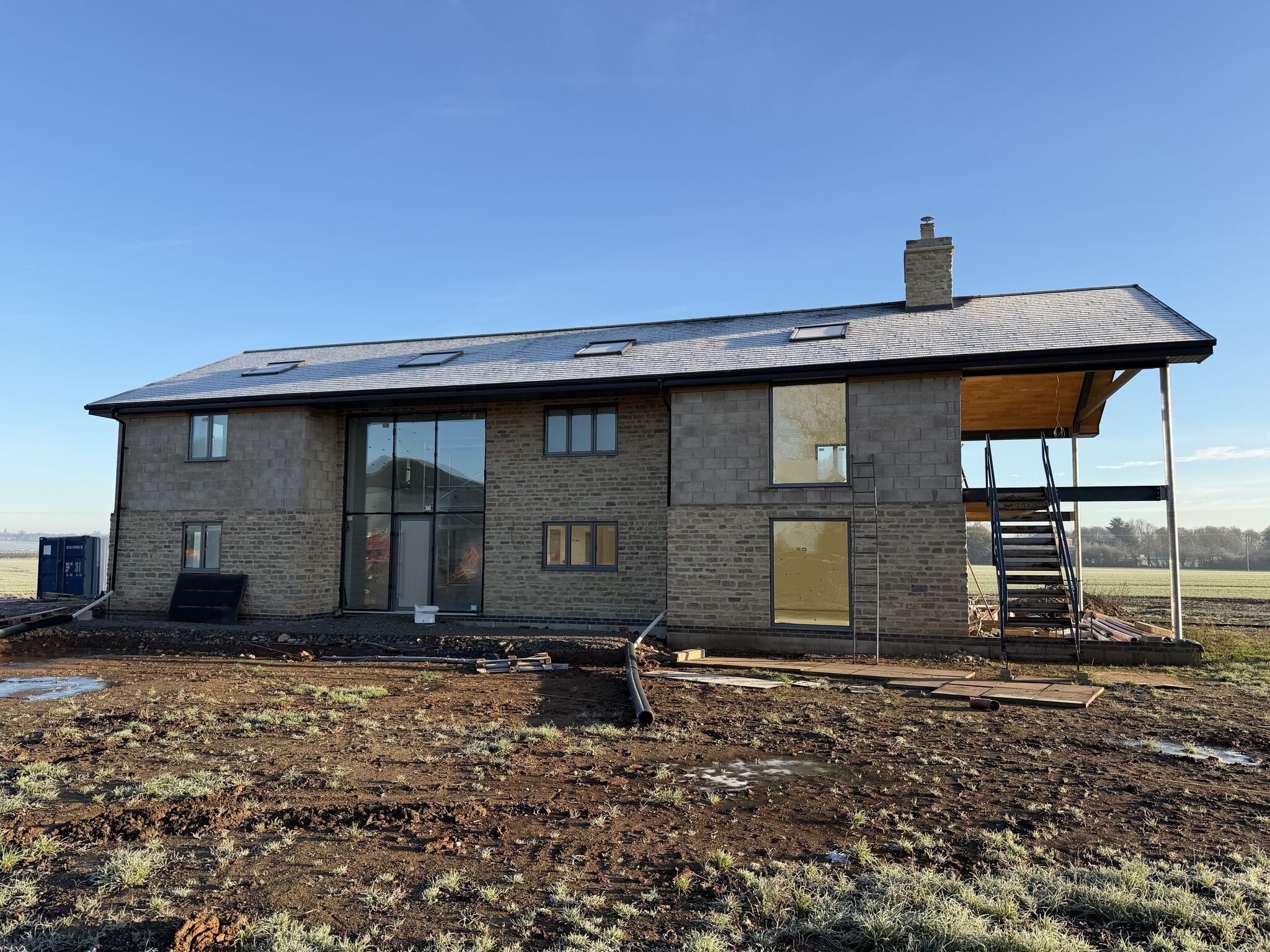
Class Q permitted development rights have made it possible to convert certain agricultural buildings into homes without going through a full planning application. As a result, barn conversions have become one of the most popular ways to unlock the potential of rural buildings.
Planning Ahead: 5 Rural Development Opportunities to Explore Before Spring
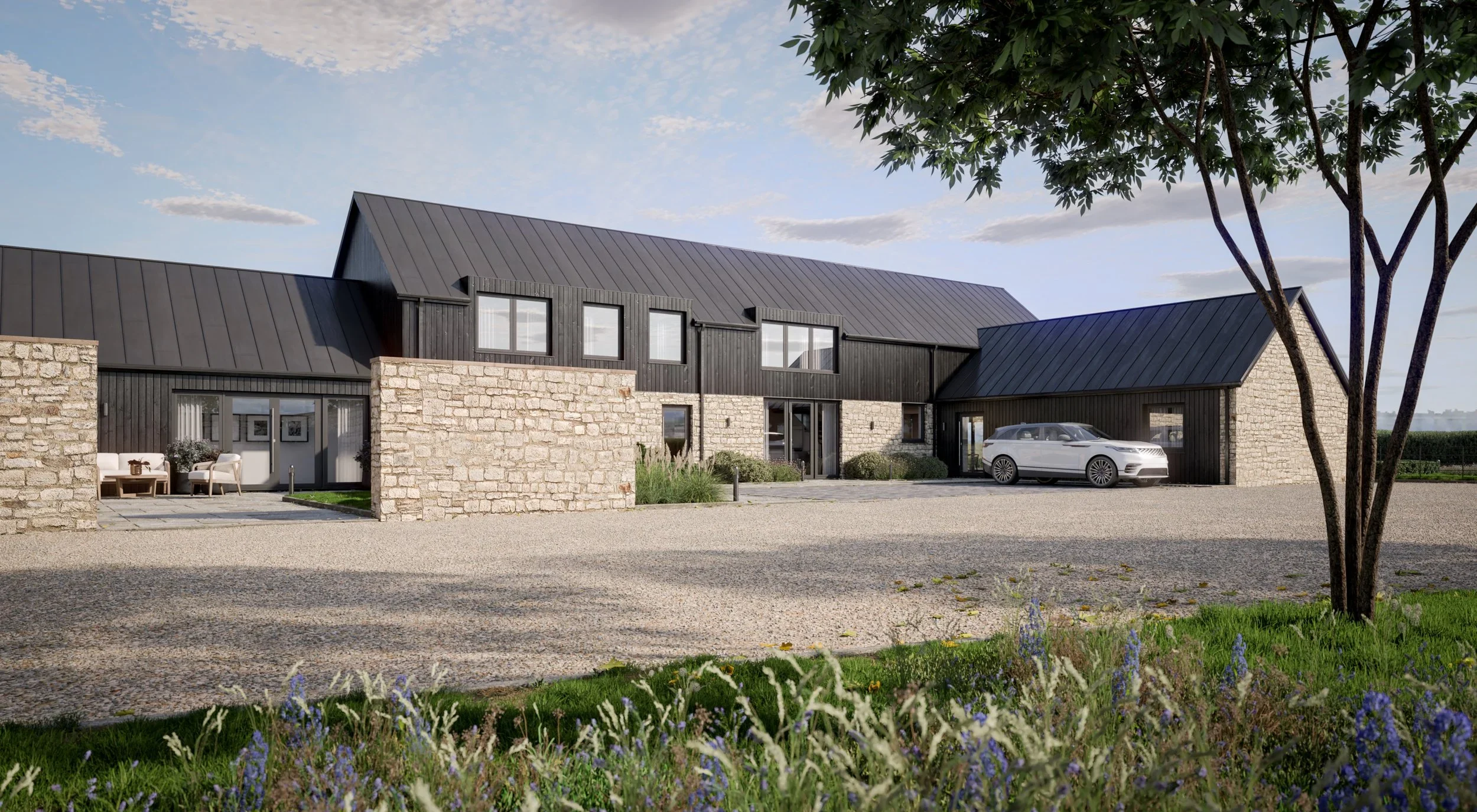
Thinking about rural development? Discover five opportunities to explore this February, including farm diversification, feasibility studies and land promotion.
From Vision to Value: Turning Ideas into Projects with Purpose
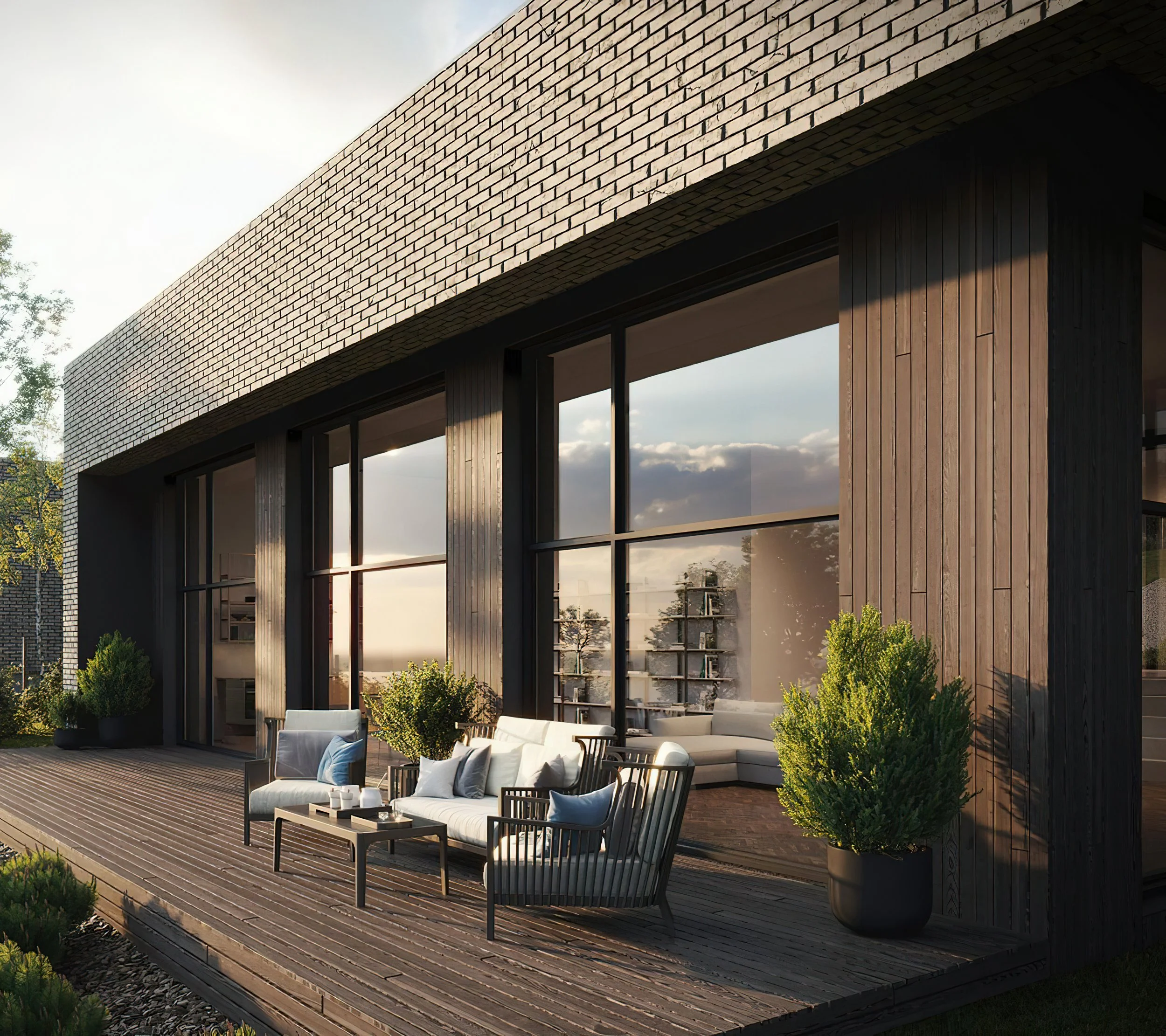
TUK Rural helps landowners, homeowners, and developers turn early ideas into successful rural planning and development projects. By combining feasibility insight, purposeful design, and integrated architecture and planning expertise, we guide you from first concept to approved, buildable plans that deliver long-term value.
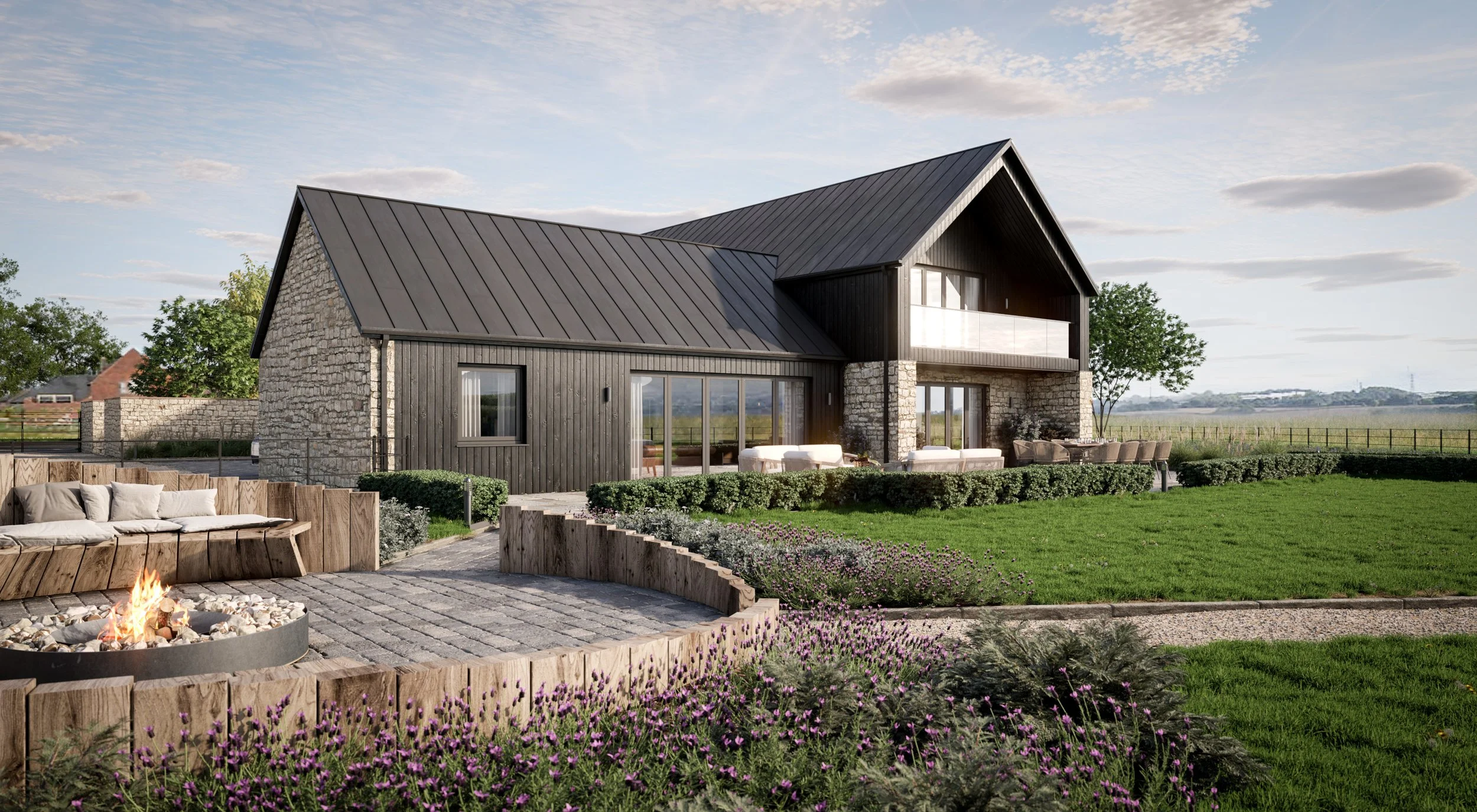
The Benefits of Rural Diversification: Making the Most of Existing Buildings
For many landowners, farm buildings and rural properties often sit unused or underutilised. Yet with the right vision and planning, those same buildings can be transformed into valuable assets that support your family, your business and your community. Rural diversification is all about making the most of what you already have, and it can open the door to new opportunities, income streams, and long-term sustainability.

Facing the Planning Committee – A Personal Perspective
At TUK Rural, we’ve sat in countless planning committees on behalf of clients. But last week, our Director, Phil Tuckwell, found himself in a very different seat — this time, as the applicant for his own barn conversion project.
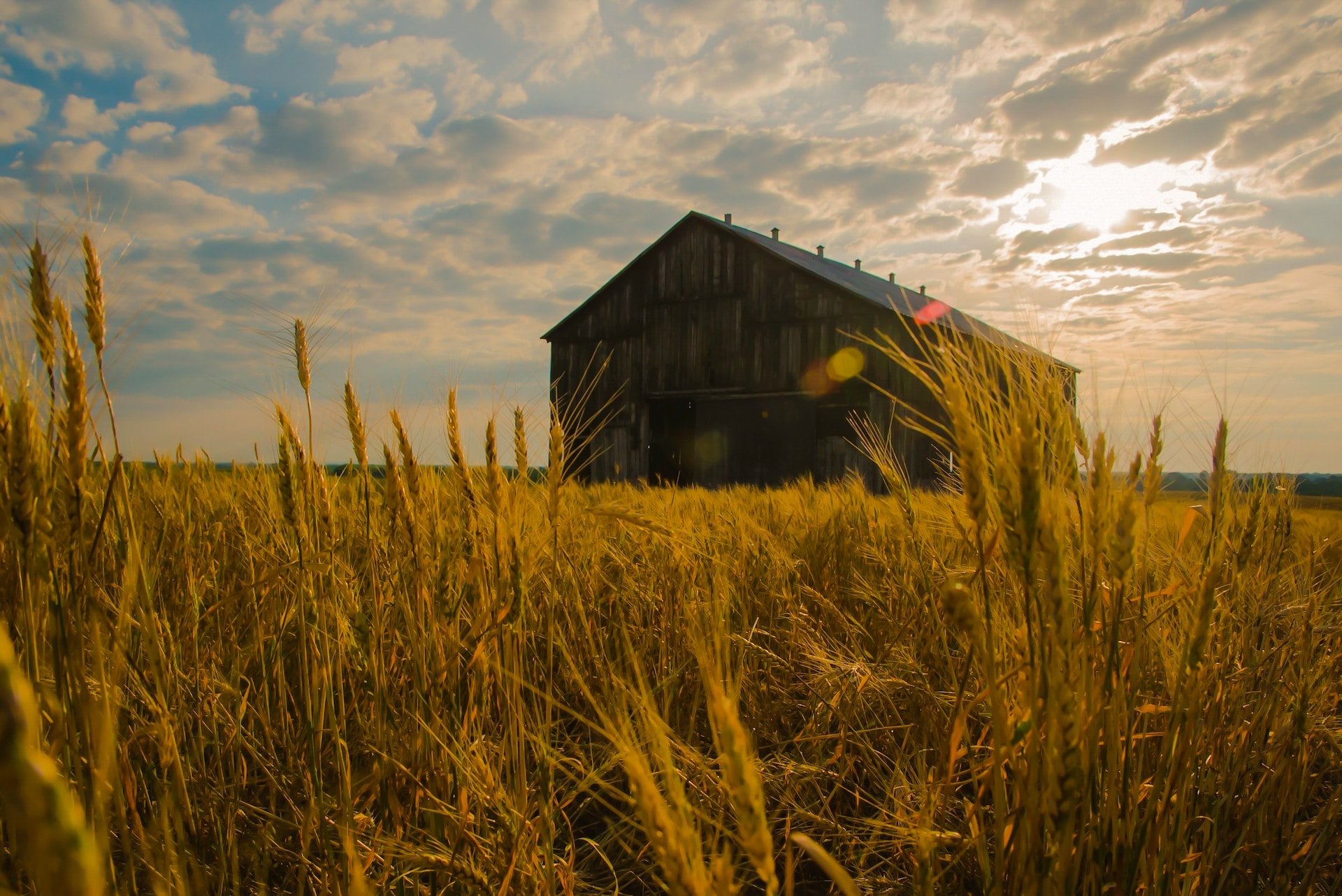
How to Successfully Get a Class Q Application Approved
How to Successfully Get a Class Q Application Approved

Class Q Barn Conversions: What You Need to Know
Converting an agricultural building into a home under Class Q permitted development rights can be a brilliant way to unlock value from rural land.